
 English
 中文简体
 Español
 عربى

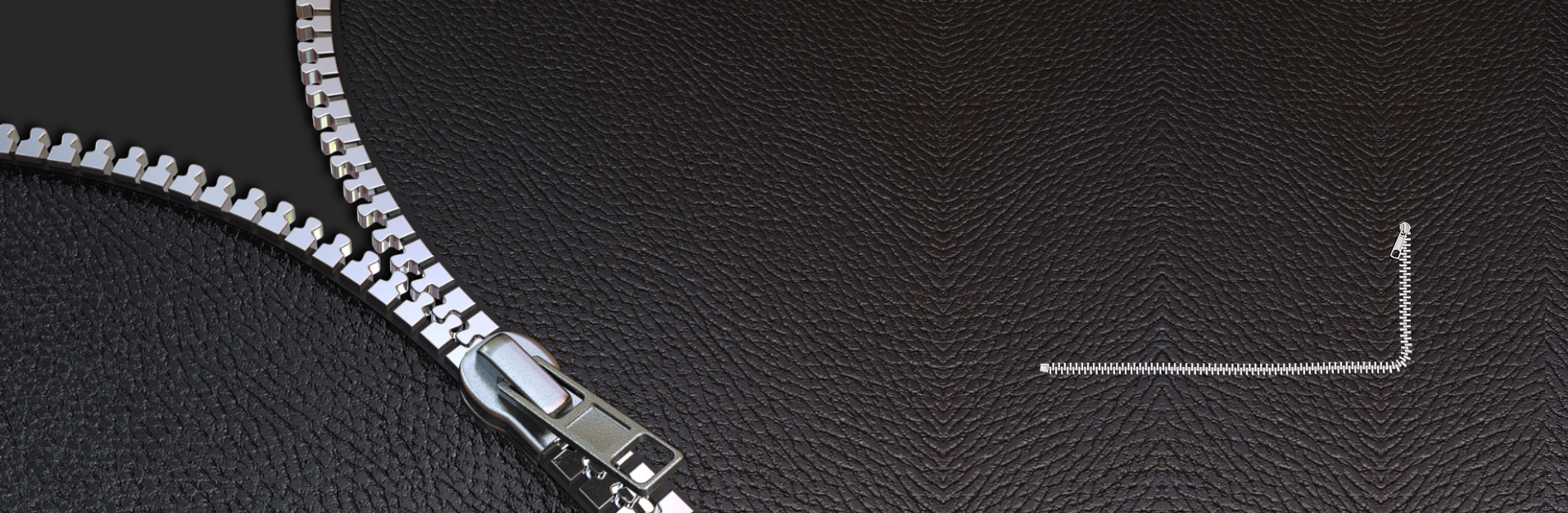
Visible Zippers Bring More Attention to Small Garment Hardware
Zippers are becoming more visible in current apparel design, particularly in skirts and lightweight fashion pieces. Recent Autumn 2026 trend coverage has highlighted zippered skirts and designs that deliberately place the zipper in a visible position rather than hiding it. This shift also gives small components such as a #3 nylon zipper closing decorative head a more noticeable role. For manufacturers and sourcing teams, the focus is no longer only on whether a zipper works, but also on how neatly its finishing details integrate with the garment.
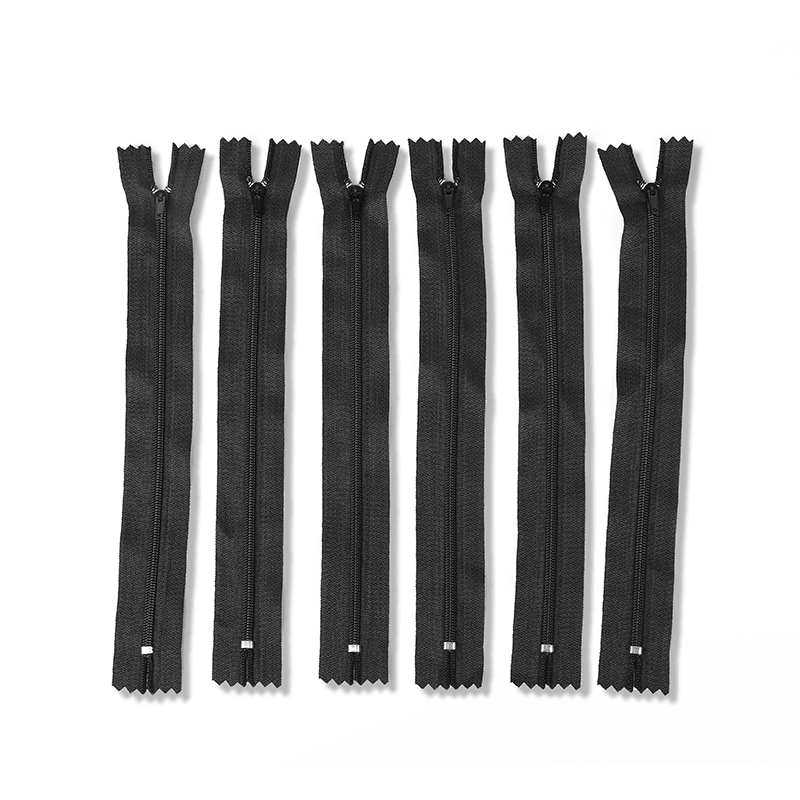
Small Hardware Can Change the Finished Look
On a simple skirt, dress or pouch, the zipper may occupy only a small area, yet it can attract attention when positioned on the front, side or back. A suitable decorative closing head can make the zipper area look intentional instead of unfinished.
For private-label brands, this small adjustment can help create visual differences between similar garment styles without changing the basic construction.
Lightweight Fabrics Need Careful Component Matching
Light fabrics can easily show problems around closures. If the component is poorly matched to the fabric, the zipper area may look bulky or sit unevenly after sewing.
During development, we recommend checking the decorative head together with the zipper tape, slider and fabric rather than approving each item separately.
This is especially relevant for:
- Lightweight skirts and dresses.
- Fashion pouches and small bags.
- Thin woven garments.
- Casual accessories.
- Private-label seasonal collections.
Sampling Should Reflect the Final Garment
A component can look attractive when displayed separately but produce a different effect after sewing. Fabric thickness, seam allowance and zipper placement all influence the final appearance.
A physical sample allows designers and purchasing teams to inspect the closing area from different angles and identify adjustment needs before bulk production.
For a #3 nylon zipper closing decorative head, testing the actual zipper construction is particularly useful because the finished effect depends on how the components work together.
Color and Finish Need Consistency
When a zipper is intentionally visible, small differences in color or surface finish become easier to notice. A dark zipper with matching hardware can create a clean appearance, while a contrasting finish may be selected when the zipper itself is intended to become part of the design.
For production buyers, approving a physical color sample is a practical step, especially when several trims need to match within the same collection.
Custom Details Without Redesigning the Product
Manufacturers can often support relatively simple customization around decorative zipper components. Shape, finish and color can be discussed according to the intended garment style.
This gives brands room to update a familiar product while keeping the underlying zipper construction consistent.
That approach can be useful for seasonal collections where several styles share similar patterns but require different visual details.
Better Trim Planning Reduces Production Changes
Garment accessories are increasingly treated as part of the product-development process rather than something added at the end. Recent apparel sourcing guidance also points to zippers and other small trims as potential sources of production delays when specifications are not confirmed early.
For this reason, we recommend confirming zipper size, decorative requirements, material compatibility and finish during the sampling stage. It gives both the buyer and manufacturer a clearer production reference.
Built Around Practical Manufacturing Needs
As a manufacturer, we approach decorative zipper components from both design and production perspectives. For buyers sourcing #3 nylon zipper closing decorative head, we can evaluate the zipper construction, application material and desired appearance together during sample development.
This helps turn a small decorative component into a consistent part of the finished garment rather than an afterthought.
If you are interested in our products, please consult us
CONTACT DETAILS
- Address : Pujiang Jietai Zipper Co., Ltd.
- Fax : 0086-057985168900
- Tel: 0086-057985168900
- Email: [email protected]
Products
QUICK LINK
NEWS CENTER
MOBILE TERMINAL
Pujiang Jietai Zipper Co., Ltd. ALL RIGHTS RESERVED. ALL RESERVED.
Zippers Factory

